
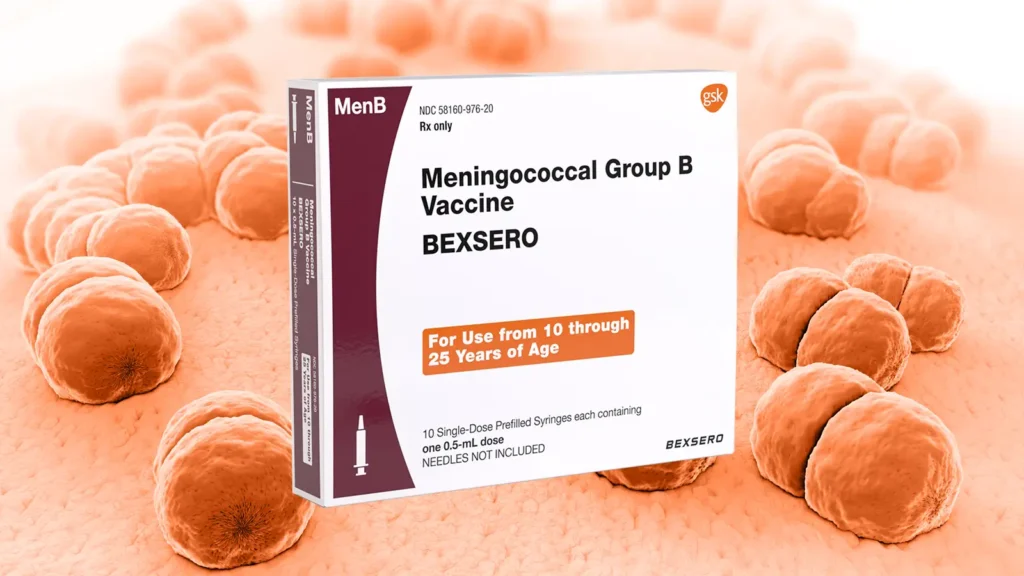
Gonorrhea remains one of the most common sexually transmitted infections (STIs) worldwide, and in the United States rates have steadily increased over the past decade. At the same time, the bacteria that causes gonorrhea has become increasingly resistant to antibiotics, making prevention more important than ever.
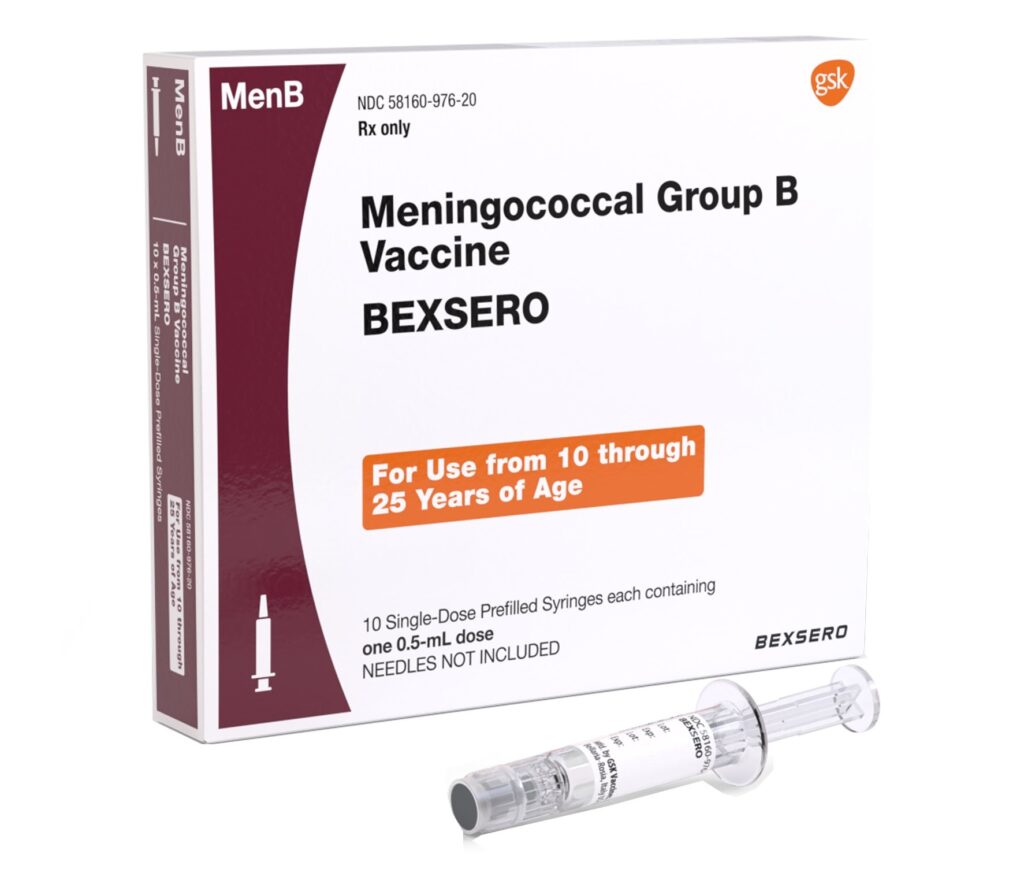
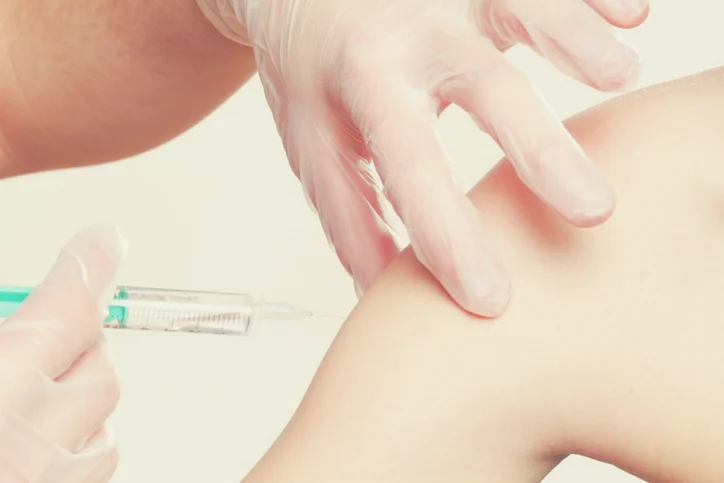
Interestingly, research over the last several years has shown that a vaccine originally designed to prevent meningitis—Bexsero—may also provide some protection against gonorrhea. While the vaccine is not officially approved for gonorrhea prevention, emerging evidence suggests it could play a role in reducing risk in certain populations.
For communities focused on sexual health and HIV prevention—like many of the patients served by clinics such as Inclusive Care Group—this research has generated significant interest.
What Is Bexsero?
Bexsero is a vaccine developed to protect against Meningococcal Disease caused by Neisseria meningitidis, specifically serogroup B.
Meningococcal disease can cause severe infections including:
Meningitis (infection of the lining of the brain and spinal cord)
Septicemia (bloodstream infection)
The vaccine works by training the immune system to recognize proteins found on the surface of the bacteria so the body can quickly fight it if exposed. Bexsero is commonly recommended for:
Adolescents and young adults
People living in group settings such as college dorms
Individuals at increased risk of meningococcal infection
Certain laboratory workers or outbreak populations
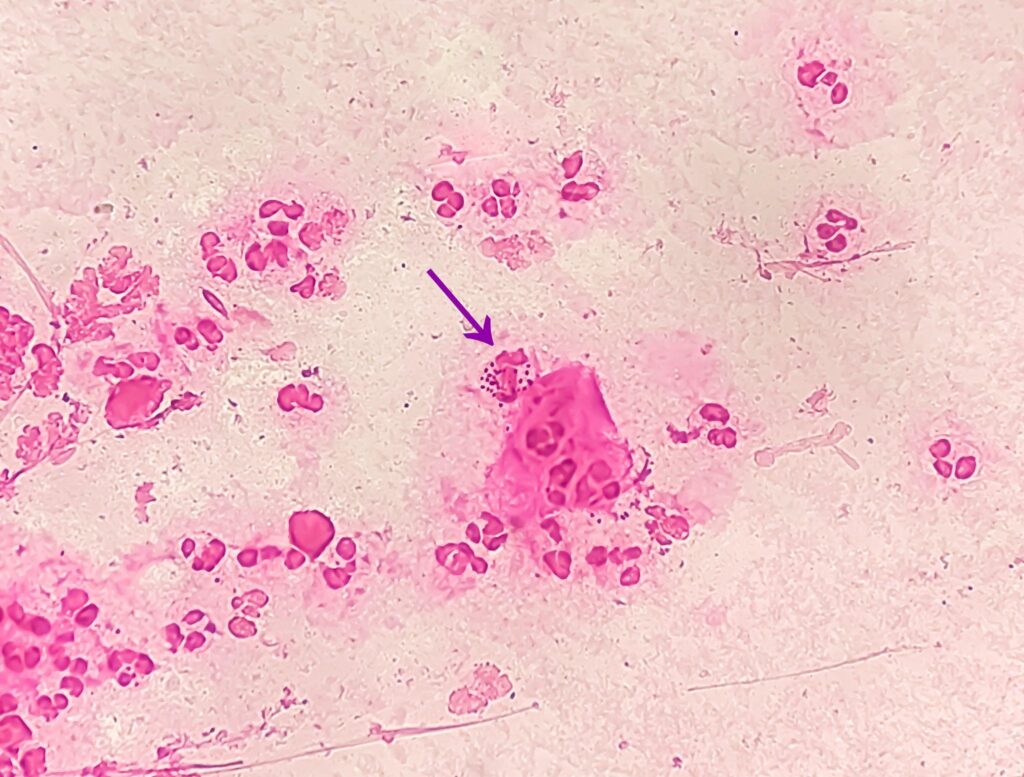
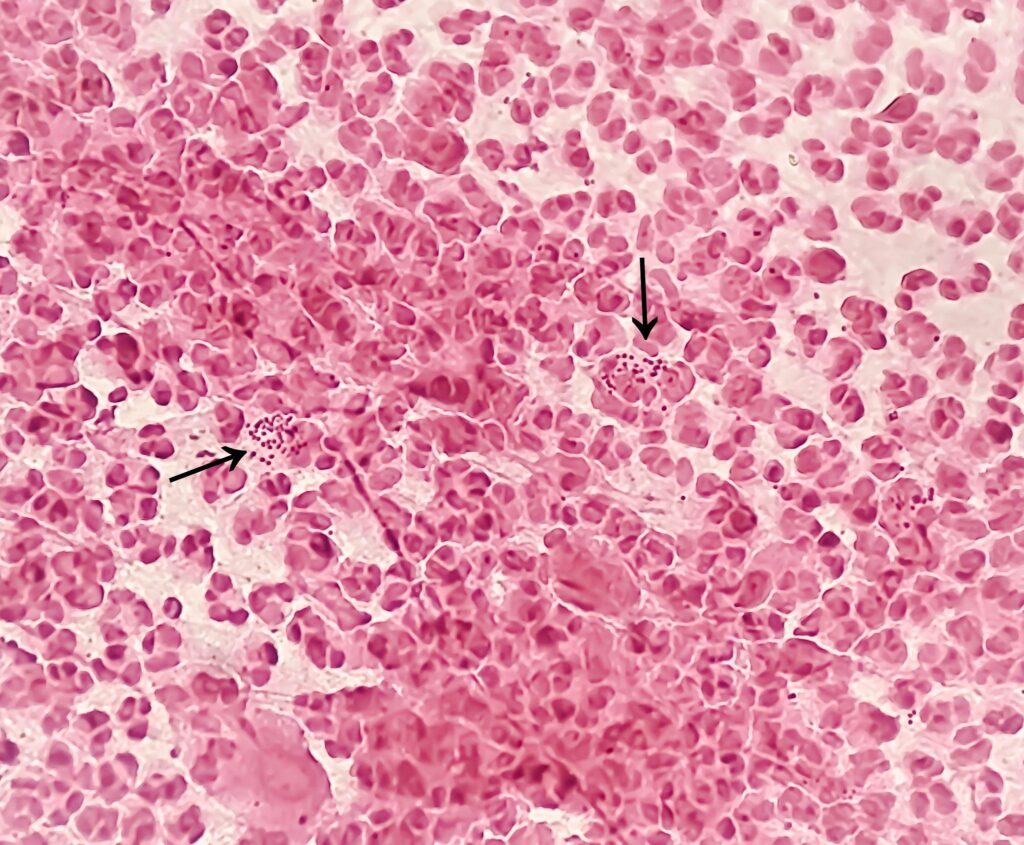
Why Researchers Looked at Gonorrhea
The bacterium that causes gonorrhea, Neisseria gonorrhoeae, is closely related to Neisseria meningitidis. In fact, the two bacteria share a number of genetic and structural similarities.
Because of this relationship, scientists began investigating whether immune responses triggered by meningococcal vaccines might also recognize parts of the gonorrhea bacterium.
This concept is known as cross-protection, where immunity to one organism offers partial protection against a related organism.
What the Research Shows
Several large studies have explored whether meningococcal B vaccines—including Bexsero—can reduce gonorrhea risk.
Key findings include:
- Observational studies suggest moderate protection
A large study in New Zealand examining a similar meningococcal B vaccine found approximately 30% reduction in gonorrhea infections among vaccinated individuals compared to those who were not vaccinated. - Biological evidence supports the theory
Laboratory research shows antibodies generated by the vaccine can bind to proteins found on Neisseria gonorrhoeae, suggesting the immune response may interfere with infection. - Ongoing clinical trials
Researchers are currently conducting clinical trials to better determine how effective Bexsero may be specifically for gonorrhea prevention. - While the results are promising, the vaccine is not yet approved as a gonorrhea vaccine.
Why This Matters for Sexual Health
Gonorrhea presents growing public health challenges:
Rising infection rates
Increasing antibiotic resistance
Often asymptomatic infections
Increased risk of HIV transmission when untreated
Even partial protection from vaccination could significantly reduce transmission rates, especially in communities with higher STI prevalence.
For sexual health clinics and prevention programs, tools that help reduce STI transmission—alongside testing, treatment, and education—can make a meaningful difference.
Prevention Still Requires Multiple Strategies
While research into vaccines is promising, the most effective way to prevent gonorrhea still includes a combination of strategies:
Routine STI screening
Condom use
Prompt treatment of infections
Partner notification and treatment
Access to preventive healthcare
Healthcare organizations that provide inclusive and judgment-free sexual health services play a critical role in expanding these prevention tools.
The Future of STI Vaccines
Scientists are actively working toward a dedicated gonorrhea vaccine, something that could dramatically reduce global infection rates.
The unexpected potential of Bexsero has accelerated this research and demonstrated that vaccines may become an important tool in STI prevention.
As science evolves, integrating vaccination, testing, and treatment will continue to be essential in protecting individual and community health.
Call us to schedule your vaccine today!
If you have any questions or would like to schedule an appointment, feel free to call us at (727) 753-7787 or message us by clicking the link below.
References
Petousis-Harris H, et al. “Effectiveness of a group B outer membrane vesicle meningococcal vaccine against gonorrhea in New Zealand.” The Lancet.
CDC – Gonorrhea Surveillance Reports
Semchenko EA et al. “The serogroup B meningococcal vaccine may provide partial protection against gonorrhea.” Clinical Infectious Diseases.
WHO – Global STI Strategy